
My IT journey began as a young boy, energetic, ambitious, and in love with the idea that this would all be easy. It started with an email.
I was born in Somalia, East Africa. In my early years, I migrated from East Africa to Europe, first the Netherlands, and eventually to the United States.
Back home, I wanted to send a picture to a friend, but I couldn’t figure out how to attach it to an email, even though I had watched someone do it once before. I struggled, and eventually asked for help at the internet café where I paid for my time online. The response I got was blunt: “If you don’t know how to use the computer, why are you pretending? Just say so.” That comment stung, but I never responded to it directly. Instead, I made a quiet promise to myself: I would free myself from computer illiteracy. That single moment set me on the path to becoming an IT professional.
From then on, I dreamed of becoming a computer professional, even though I had no idea which path to take.
In early 2010, I migrated to the Netherlands as an asylum seeker. I spent two years in a refugee camp waiting for my residence permit. During that time, my interest in learning computers grew into something close to an obsession, but resources were scarce. I couldn’t enroll in schools or purchase online courses because I didn’t have the right documentation.
After I was granted permanent residency in 2012, I joined a local A+ course around 2014. I completed the coursework and booked the A+ Hardware exam, a newly released version of the exam at the time, and an expensive one at $300. It was also genuinely difficult. That combination of cost and difficulty is exactly why many people hesitated to take it; it demanded serious study time and hands-on skill in identifying computer components.
To fund both the Hardware and Software exams, I started repairing laptops and desktops for my local community, neighbors, and friends, and saved the money I earned.
Let me pause here, because this is where I want you to pay close attention. You can see how excited and committed I was, and in the next part, I want to tell you what went wrong, and what I’d do differently if I were starting today. My hope is that it saves you years of hustle and frustration. If you’re in IT and you’re never frustrated, you’re probably not challenging yourself enough.
By the end of 2014, I had cleared the A+ exam. But here’s the real lesson: not knowing any better, I went looking for an internship instead of a job, even though I already had the A+ certification and hands-on skills to justify applying for entry-level roles directly.
Around that time, I fell in love with Windows Server and Active Directory environments and started working toward the MCSA certification. This was the right path; I believe it’s a reasonable route for almost anyone breaking into IT. I learned a great deal, built home labs covering Active Directory fundamentals, and wanted to go deeper: more hands-on labs, more documentation, showcasing my work publicly, and eventually preparing for interviews to land an IT role.
Here’s a question for you, if you were in my position back then, brand new to IT: would you take on another certification just because it’s hot in the market but requires significantly more time to understand? Or would you stay the course with MCSA and make yourself as strong as possible in that lane before branching out?
If your answer is “take the hot new certification,” you’re making the same mistake I made, and here’s why.
I took advice from a friend who was, frankly, stuck in his own IT career. He told me CCNA was hot and worth the investment. This is where things went sideways. I started learning CCNA and was immediately overwhelmed. My interest in networking wasn’t genuinely high to begin with; I was chasing what everyone else considered hot in the market, not what aligned with where I was or where I wanted to go.
By January 2016, I was running networking labs in parallel with my ongoing Windows Server 2012 labs. Taking on CCNA was a mistake. I hadn’t done any research into why I was pursuing two very different certification paths at once, and I soon realized that landing a job as network support or a network engineer was genuinely difficult; it was a newer field for me, with its own competitive dynamics.
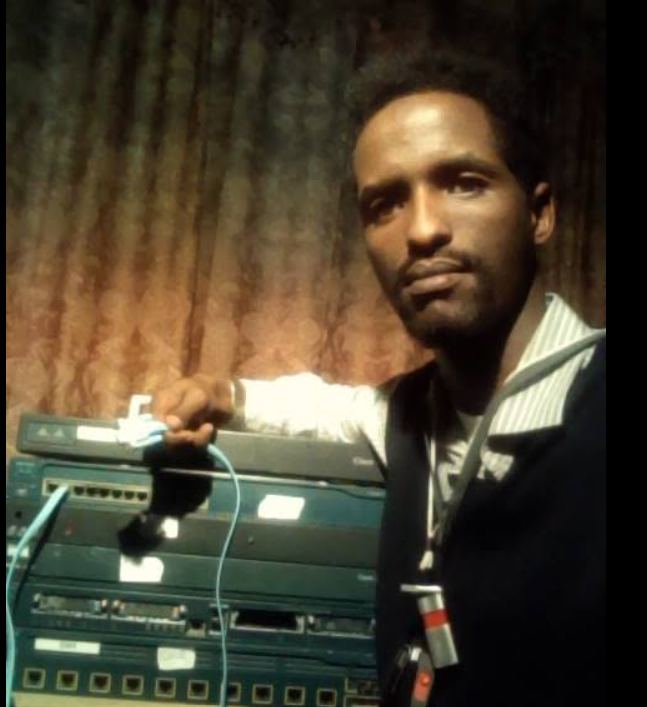
Hands-on with the Cisco lab gear I built while studying for CCNA, January 2016.
What went wrong: I let CCNA distract me from IT support, help desk, and system administrator roles, positions that were more available and realistic given the foundation I already had.
What I should have done instead:
- Applied for as many relevant IT jobs as possible
- Focused my networking study time more deliberately
- Prepared thoroughly for interviews
- Built more labs specifically aimed at IT support, help desk, and system administrator roles
Problems to watch for:
- Cost: CCNA was the most expensive certification I’d pursued at that point
- Study time: the practical, hands-on component took far longer than I expected
- Competition: network support and engineering roles required more applications and more patience than I anticipated
In 2019, I found a network support role. In 2021, while still in that role, I started learning Azure fundamentals. A few months later, I sat the AZ-900 exam and failed on my first attempt, then passed on my second. I enjoyed the environment, and I wasn’t entirely new to it, since I’d already been working hands-on with Microsoft 365 since 2020. I built out more labs, and this time I doubled down at the administrator level, studying hard and putting in serious effort. I created my own tenant to practice in, one I still maintain today. I also started a YouTube channel to document what I was learning and sharing my skills with others.
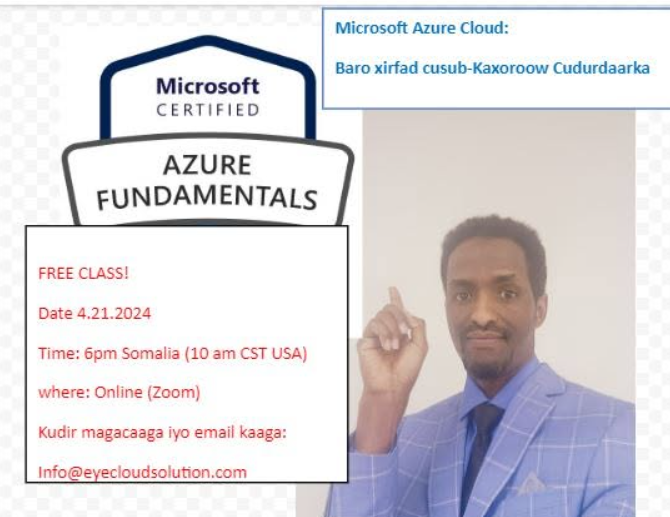
in 2024, A free Azure Fundamentals class I hosted for the community, part of teaching what I was learning as I went.
By the end of 2021, I passed the AZ-104 exam. At that point, my Azure skills were strong and I felt confident. I applied for jobs and started landing interviews, drawing heavily on my labs and hands-on background to work through most of the technical questions.
In February 2022, I received a job offer. I didn’t take the time to fully review the job responsibilities beforehand, which turned out to be a real gap: the role wasn’t quite as technical as I expected. Even so, it was a great company, Accenture, and I genuinely loved the people I worked with. I’m grateful for that experience.
Since then, I’ve never left the cloud platform space, and I still run security labs on Azure tenants regularly.
While at Accenture, I took and passed the AZ-305 (Infrastructure Solutions) exam. It wasn’t part of my original study plan, but my role at the time required it, since it touched a large part of my day-to-day work, and it also set me up to pursue Azure security more seriously.
Later, I took AZ-500 (Azure Security Technologies). That certification changed my security skills significantly. It took me a while to feel ready to sit the exam, but it was worth the investment.
Certifications
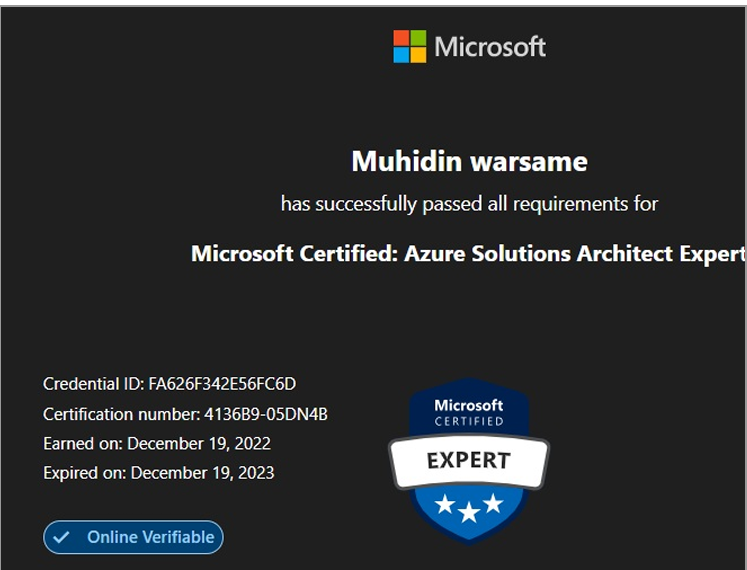
Microsoft Certified: Azure Solutions Architect Expert, earned December 19, 2022
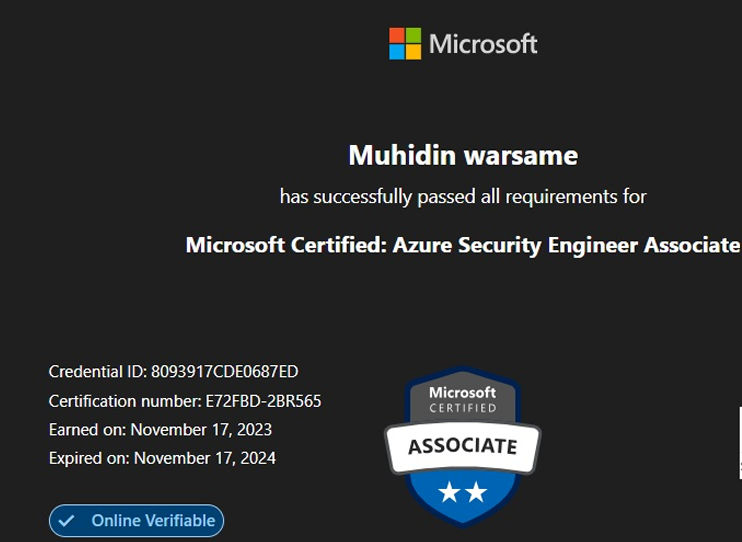
Microsoft Certified: Azure Security Engineer Associate, earned November 17, 2023.
Beyond Azure Security
Passing AZ-500 didn’t end my interest in security, it pushed it further. I started running free cybersecurity training sessions for local communities, covering practical, non-technical topics that most people never get taught: how to spot phishing attempts, why to hover before clicking a link, and why a password manager beats memorizing a dozen weak passwords.
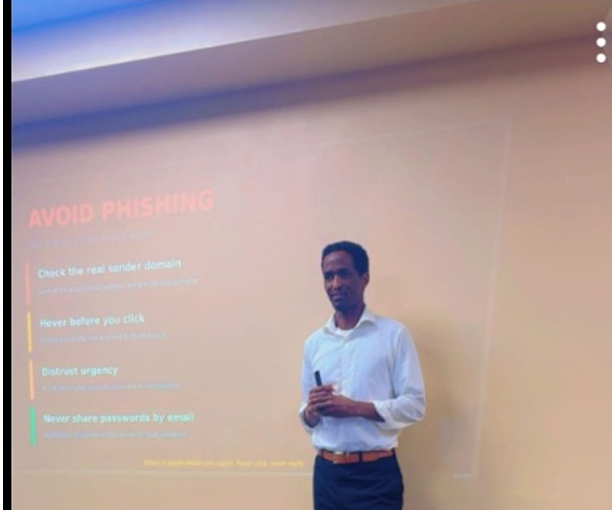
2026, Community training session on phishing awareness: checking the real sender domain,
hovering before you click, and never sharing passwords by email.
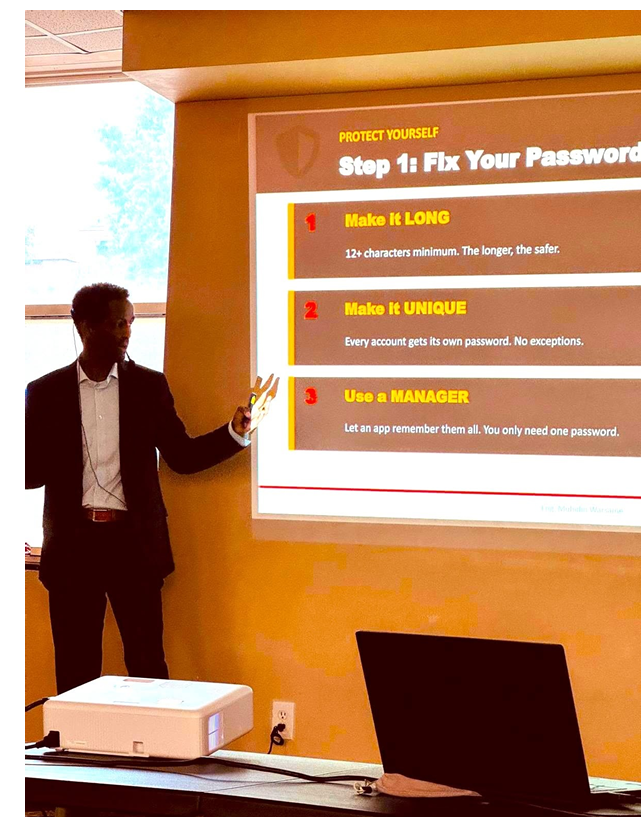
2026, Walking a community group through password hygiene: length, uniqueness, and using a password manager.
Alongside these sessions, I’ve been going deeper into Microsoft Entra ID, working toward operating as an identity security analyst rather than just an administrator, and sharing what I learn with the community along the way.
This shift came directly out of real work. I currently serve as the Microsoft 365 administrator for a small organization, and as a side project, I set up and support Microsoft 365 for small businesses on my own. On that side project, there’s no technical team to escalate to when something difficult comes up, so I have to work through it myself.
The most challenging areas I’ve run into are Entra ID issues: multifactor authentication, Conditional Access, and sign-in risk. That’s exactly why I decided to upskill in Microsoft Entra ID: to understand not just the individual settings, but the overall Microsoft 365 security posture they add up to.
What I Would Change If I Started All Over Again
- Do more research before setting a goal. I would take the time upfront to understand a certification, a role, or a career path before committing to it, rather than deciding based on excitement or someone else’s opinion.
- Write down short term, mid term, and long term goals, on purpose. Not vague intentions in my head, but an actual written plan I could measure myself against and revisit.
- Stop chasing shiny things, and stop taking advice from everyone. Not every certification that’s “hot in the market” is right for you, and not every person giving advice has your best interest, or even the right experience, in mind. Filter ruthlessly.
- Network more than ever, especially online, and treat in-person events as research projects, not social hours. Before attending an event, research who’s going to be there. Based on your interests and goals, identify the specific people worth meeting, write down their names, and note what they do. Don’t spend your limited time with random people. Reach out periodically afterward, sometimes without asking for anything, sometimes with a specific ask when it’s genuinely necessary. The goal is a long term relationship, not a transaction.Imagine being surrounded by 200 people, VPs, CEOs, managers, and senior engineers, who actually know who you are, versus having 5,000 random LinkedIn connections. The 200 is a game changer. It takes real, sustained work to build and maintain those relationships, but it’s worth it: when an opportunity comes up, those are the people who remember you and give you the first call.
- Never doubt your talent. You have unlimited potential, but showing up and using it the right way is something people sometimes underestimate.
- Save yourself from computer illiteracy, even if you never go professional. You don’t need to become an IT professional to benefit from understanding technology. Basic computer literacy alone changes what doors are open to you.
I wish I had known this back then. Now you know better than I did.
In 2026
Hackswire founder
I’m the founder of Hackswire, LLC, a technology consulting company delivering Microsoft 365 setup and management for small businesses, along with IT and cybersecurity training for adults and non-technical students.
Volunteer Work
“In 2023, I joined the Hennepin Schools Parent Advisory Committee, serving as a bridge between school leadership and parents. The committee meets monthly to discuss school policy, safety concerns, and education improvement initiatives.
In 2026, I was appointed to the Hennepin Schools Board, the Chatter school , responsible for approving school policy and overseeing a budget of more than $1 million.
Technical
In 2026, I’m currently pursuing a cybersecurity role. I’m studying Microsoft Entra ID, setting up and supporting Microsoft 365 for small businesses, and helping organizations improve their overall IT security posture.
I’ve deep-dived into Identity and Access Management (IAM) using Microsoft Entra ID, and expanded further into enterprise security architecture on Microsoft Azure, working hands-on with tools including Microsoft Defender for Endpoint and Microsoft Sentinel (SIEM).
Alongside this enterprise-level work, I also teach Microsoft Windows, Security Essentials, and computer literacy classes for adults and non-technical students, helping bridge the gap between everyday users and the technology they rely on.
Muhidin Warsame
Founder, Cybersecurity Trainer, Microsoft 365 Consultant